The data was clean. The tracking was verified. The choice felt obvious.
They doubled the budget for Campaign B and shut down Campaign A.
Three months later, revenue from new customers was down 18%.
The post-mortem revealed one brutal detail:
Campaign B attracted bargain hunters who canceled within 30 days.
Campaign A attracted thoughtful buyers who stayed for years.
The lifetime value data existed in the company's CRM—visible in cohort views—but it was never connected to the campaign dashboard.
Nothing was wrong with the numbers. Everything was wrong with the decision.
The Core Claim
Data captures a moment, not the whole story—meaning comes from what lies outside the frame.
Data doesn't mislead us. We misread it.
The problem isn't the spreadsheet, the dashboard, or the algorithm. It's the instant, automatic story our brain builds around the number.
We treat data like a final answer. In reality, it's just a snapshot of one moment in time.
One moment. One angle. One exposure.
When we mistake that snapshot for the full story, we become confident—and wrong.
Accuracy Is Not Understanding
We love accuracy. We clean data. We verify sources. We run checks to make sure the numbers are correct.
And then we stop thinking.
This is the most dangerous mistake.
Accuracy answers "what happened." Understanding asks "why it happened."
A thermometer can accurately tell you someone has a 103° fever. It cannot tell you if it's the flu or something life-threatening.
The number is correct. The meaning is missing.
When data looks right, we relax. We confuse precision with insight. We trade curiosity for comfort—and pay for it later.
Four Cognitive Traps That Distort Our Reading
These traps aren't signs of low intelligence. They are normal features of how the human brain works.
1. Pattern Obsession
Our brain hates randomness. It wants patterns—even when none exist.
We see a line going up and call it a trend. We see two events close together and assume one caused the other.
Psychologist Daniel Kahneman calls this "What You See Is All There Is." We build stories from limited evidence because it feels complete.
The problem is that most short-term "patterns" in business data are just noise. A two-month rise is often coincidence, not direction.
When we act on it, we build strategies on accidents.
Our brains rely on shortcuts that feel efficient—but often distort reality.
2. Confirmation Comfort
We trust data that agrees with us. We question data that doesn't.
If a number supports our belief, we accept it quickly. If it challenges us, we look for reasons to dismiss it.
This feels rational. It isn't.
When data becomes a way to prove we're right, it stops being useful. The goal quietly shifts from "What's true?" to "How do I defend my decision?"
At that point, learning stops.
3. Context Blindness
A number alone means nothing.
A 20% spike in traffic sounds great—until you learn it came from bots.
A 15% drop in sales sounds scary—until you see the entire industry slowed for the holidays.
The same number can signal success or failure depending on what surrounds it.
When we ignore context, we react to digits instead of reality.
4. Confusing Activity With Impact
We measure what's easy to count:
Emails sent
Meetings held
Features shipped
Then we assume those numbers represent progress. But activity is not impact.
Busyness feels productive. Impact is slower and harder to see.
Teams often move fast, track everything, and still head in the wrong direction.
Why More Data Often Makes Things Worse
When data confuses us, the instinct is simple:
"Let's add more data."
More metrics. More dashboards. More alerts.
More data doesn’t always create clarity—it often increases cognitive overload.
This is like fixing a confusing map by adding more labels—without checking if you're even looking at the right place.
Too much data creates three problems:
We stop reflecting. When we track too many numbers, we skim instead of think.
We feel falsely confident. A dashboard full of charts feels like control—even when it hides what matters.
We react too fast. Real-time numbers push us to act before we understand.
This is not an argument against dashboards. It's an argument against dashboards without deliberate questions behind them.
The problem isn't too much data in storage. It's too much pressure on the human brain.
The answer isn't less data. It's slower thinking around the few metrics that truly matter.
The Antidote: Deep Reading
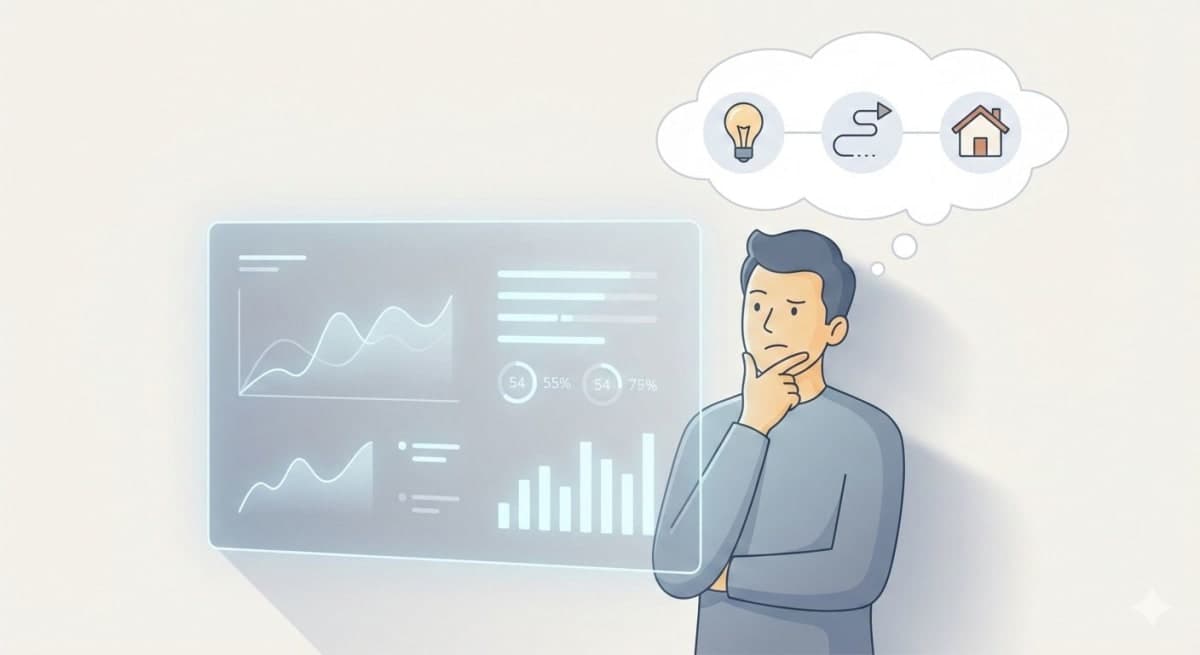
Good data shouldn't give you answers. It should give you better questions.
Insight begins when we slow down and question before we act.
This habit is what I call Deep Reading—a structured approach we've built into our Insight Analyzer tool to systematically challenge assumptions before decisions are made.
When you see a number, pause. Before acting, ask:
What actually changed in real life? Not what moved on the dashboard—but what changed in people's behavior, the market, or the system?
What didn't change at all? Where did we put effort and see zero result? This often teaches more than success.
What worked for the wrong reason? Did we succeed because of skill—or because of luck we didn't notice?
What failed even though it looked good? Which metrics gave us confidence while quietly leading us toward a bad outcome?
These questions don't slow progress. They prevent expensive mistakes.
A Simple Starter Kit
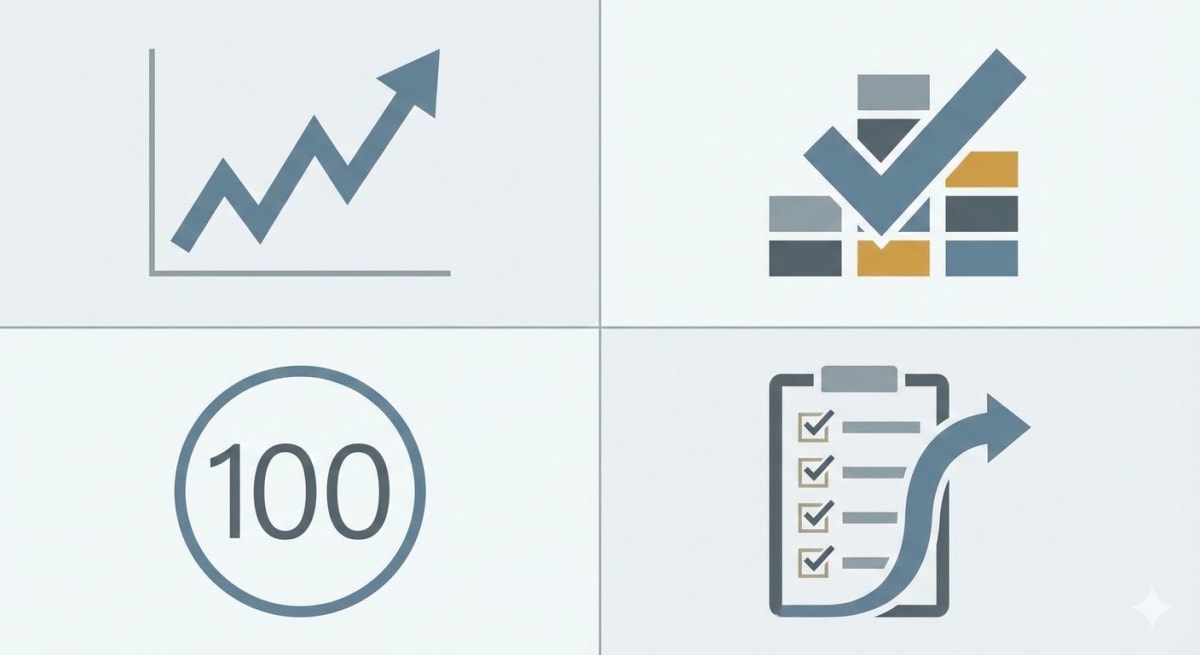
Before You Act on a Number, Check Four Things
Pattern: Is this a real trend, or short-term noise?
Bias: Do I like this number because it agrees with me?
Context: What other data gives this meaning?
Impact: Am I measuring activity, or real value?
One Powerful Team Exercise
In your next review, don't start with charts. Start with this question:
"Which single piece of data, if we had misunderstood it this year, could have caused the most damage?"
That conversation builds better judgment than any new tool.
What Insight Really Is
An insight is not a number. It's not a KPI hitting a target.
If data doesn't change how you think, it isn't insight yet.
Insight is the moment you understand why the number exists. It's when cause and effect finally connect.
Dashboards can show thousands of metrics. They cannot create understanding.
That only happens in the mind of someone willing to pause.
The Final Thought
We trust numbers because they feel solid in an uncertain world. They promise objectivity and relief from doubt.
But misreading data isn't stupidity. It's human nature.
We are storytellers. We look for meaning fast.
The skill isn't becoming emotionless or robotic. It's learning to slow the story down.
From Theory to Practice
Reading about cognitive traps is one thing. Catching yourself in them is another.
Our Insight Analyzer was built specifically for this moment—the pause between seeing a number and deciding what it means. It provides the structured questions that prevent confident misinterpretation.
Try this instead of "One Small Practice": Next time you're about to present data, run it through the Insight Analyzer's context checklist first. You'll discover the story you were missing.
The next time a dashboard pushes you to react, pause. That moment of hesitation isn't indecision.