🚀 Vibe-Coding Word of The Year for 2025
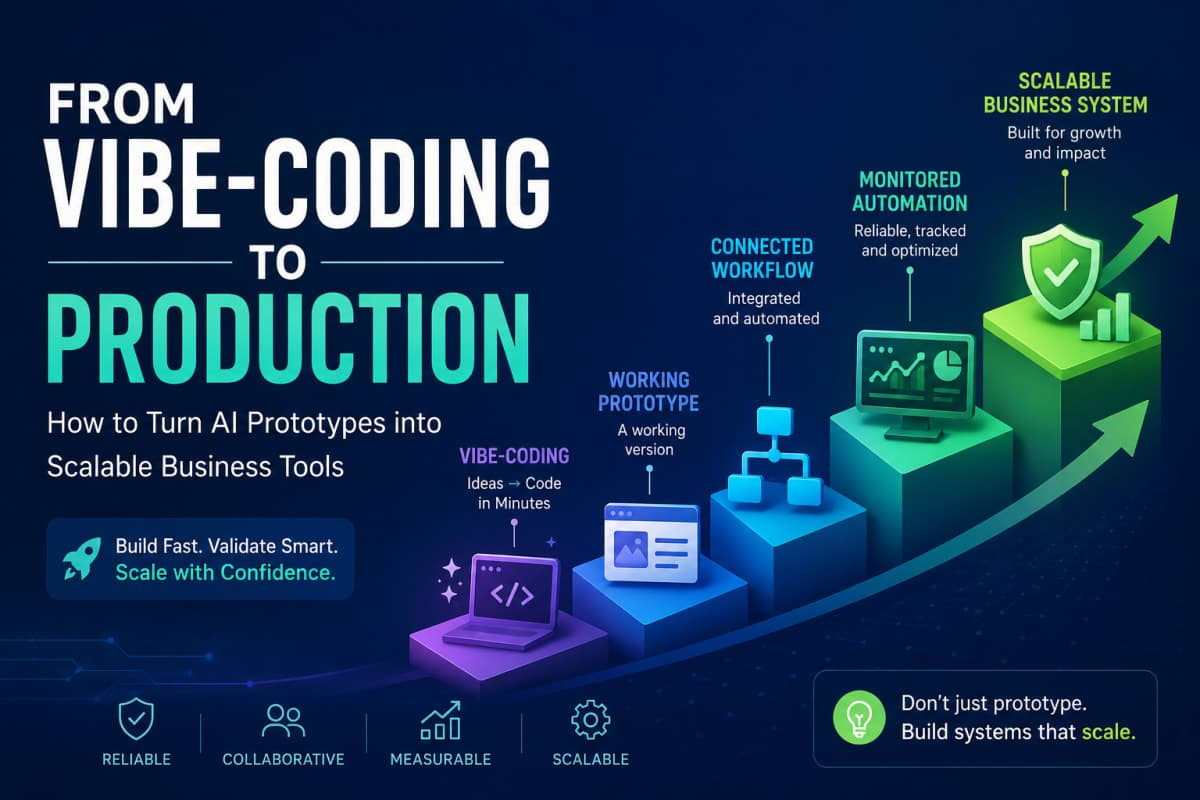
What is Vibe-Coding? It's the emerging workflow where developers use natural language and creative direction—not strict syntax—to guide AI in generating complete, functional code. This isn't just prompt engineering; it's a fundamental shift from typing to directing, defining the new category of intent-driven programming.
📈 Why This Matters Now
For decades, coding meant meticulous syntax. In 2025, that's changing. Vibe-coding is moving from meme to mainstream AI-assisted coding workflow, powered by natural-language AI, agentic coding assistants, and generative IDEs that interpret your intent, not just your instructions.
Whether you're a beginner or senior engineer, understanding vibe-coding is essential for staying ahead. This guide will explain vibe-coding, show you exactly how to start, and reveal why developers who embrace it early will lead the next decade of software innovation.
🧠 What Exactly Is Vibe-Coding? (The Core Concept)
Vibe-coding is a new approach to programming where developers rely on concepts, intentions, and natural language instead of traditional syntax-heavy code.
In simple terms:
You say: "I want a login page with Google OAuth, soft animations, and clean spacing."
AI does: Generates a complete, working React/Vue component with proper authentication flow.
Key distinction: This isn't no-code, and it's not classic prompt engineering. It's coding powered by AI intuition + developer creativity—a collaborative conversation rather than a series of strict commands.
⚙️ How Vibe-Coding Actually Works: The 3-Step Framework
Here's the practical workflow developers are adopting:
Step 1: Explain the Core Idea
You describe what you want in natural language:
"Create a product listing grid with filters, pagination, and a dark theme option."
Step 2: AI Interprets the "Vibe"
Instead of waiting for exact technical specifications, the AI:
Understands your design preferences (modern, minimal, etc.)
Fills in UX/UI gaps based on current best practices
Makes intelligent layout and architecture decisions
Suggests patterns commonly used in similar applications
Step 3: Generate → Refine Loop
You adjust the output conversationally:
"Make it more minimal."
"Add hover animations to the cards."
"Switch from REST to GraphQL for the data fetching."
This transforms coding from a technical battle into a creative conversation.

🛠️ Getting Started with Vibe-Coding: A 5-Minute Tutorial
Ready to try it? Here's a concrete example using GitHub Copilot:
Open your IDE with Copilot enabled
Create a new Python file and write this comment:
# Create a function that fetches weather data from an API and returns it as JSON
# Include error handling and cache responses for 5 minutes
Press Enter and wait – Copilot will generate the complete function
Refine naturally: Add another comment below:
# Actually, make it async and add support for multiple cities at oncePro Tip: Start with comments that describe what you want to achieve, not how to implement it. The AI will handle the implementation details.
📊 Vibe-Coding vs. Traditional Coding: A Clear Comparison
Feature | Traditional Coding | Vibe-Coding |
|---|---|---|
Syntax Focus | Required and precise | Optional - natural language preferred |
Development Speed | Slow to medium | Extremely fast for prototypes |
Creative Flow | Medium (interrupted by syntax) | High (continuous creative stream) |
AI Involvement | Optional tooling | Central to the workflow |
Primary Mindset | "How do I implement this?" | "What should this achieve?" |
Debugging Approach | Manual error hunting | Collaborative problem-solving |
The fundamental shift: Traditional coding focuses on technical correctness. Vibe-coding focuses on creative problem-solving and system design.
🤝 The Data Supporting the Shift (E-E-A-T Validation)
While vibe-coding is a new term, the underlying trend of AI-assisted coding is robustly validated by major industry players, confirming this isn't a temporary fad:
Adoption: A recent GitHub report suggests that developers using generative AI coding assistants complete tasks up to 55% faster than those who do not. This massive efficiency gain is the core driver of the vibe-coding movement.
Impact on Codebase: Google's research into its internal generative coding workflows found that AI can successfully generate up to 40% of the code needed for common tasks, freeing human developers to focus on higher-level system design.
🔧 Tools Making Vibe-Coding Possible (2025–2026)
You don't need special hardware—these software advancements are driving the trend:
Advanced Code Copilots
Tools like GitHub Copilot, Cursor, and Amazon CodeWhisperer now "guess" intentions and generate entire modules, not just line completions.
Google Antigravity: The Agent-First IDE
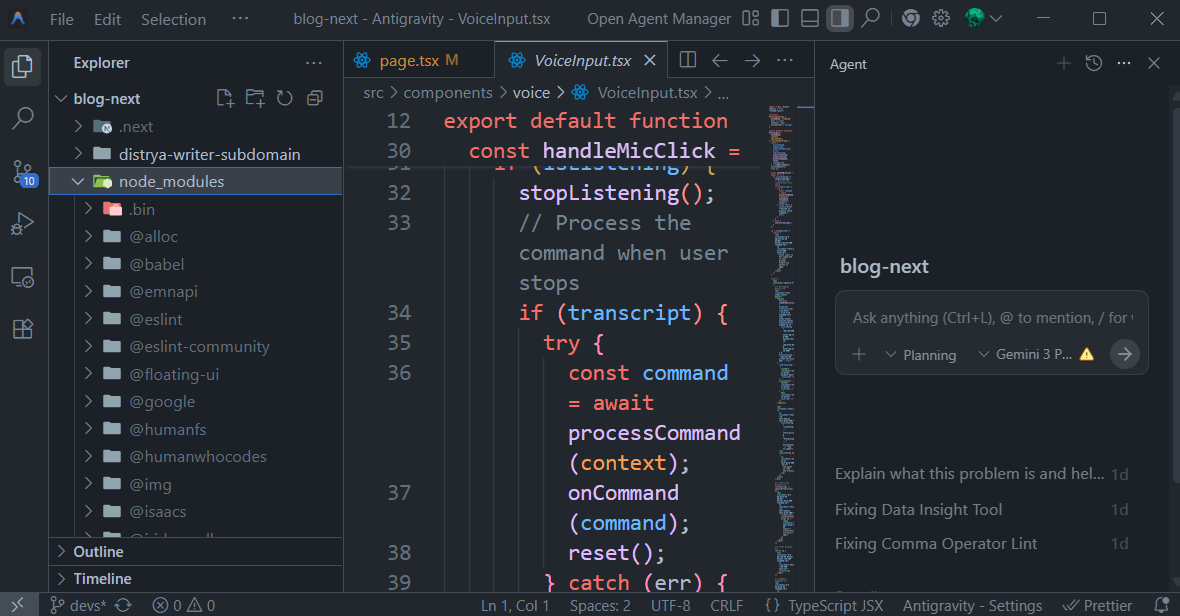
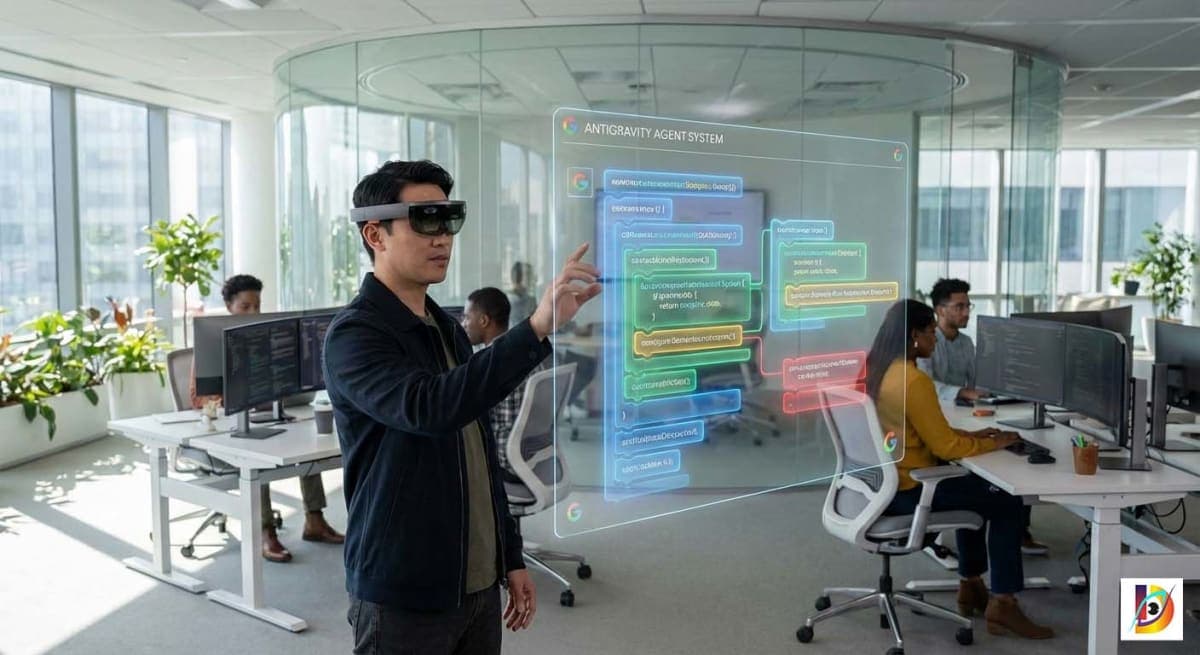
Released in late 2025, Antigravity is Google's new agentic development platform. It moves beyond code completion by providing an Agent Manager interface, allowing developers to orchestrate autonomous agents that can plan, execute, and verify complex tasks across the editor, terminal, and even the browser. It features Artifacts (like task plans and screenshots) to build human trust in the agent's work.
Agentic AI Developers
Platforms like Antigravity are enabling autonomous agents that:
Write and test code independently
Fix errors and improve designs
Run development tasks in the background
Research solutions autonomously
Visual Generative IDEs
Emerging platforms where code builds itself as you describe the flow visually. These tools don't just follow instructions—they interpret context and intent.
🚀 Why Vibe-Coding Is the Future: 4 Key Benefits
Developers Become Creators, Not Typists
Time wasted on syntax debugging evaporates. Energy redirects to:System architecture and design
User experience decisions
Complex problem-solving
Innovative feature planning
Prototyping Speed Increases 10x
Startups can iterate from idea → working MVP in days instead of weeks. This acceleration is already visible in hackathons and rapid prototyping environments.Lower Entry Barriers
Non-technical team members (PMs, designers) can contribute meaningful technical direction. Junior developers can tackle complex tasks with AI guidance.Optimal Human-AI Division
AI handles routine, repetitive coding tasks. Humans provide strategic direction, quality oversight, and creative vision. It's the perfect partnership.
👶 Is Vibe-Coding Good for Beginners?
Absolutely—with intentional practice.
👍 Excellent for beginners when you:
Want to understand how software systems work conceptually
Need to build projects quickly for learning or portfolios
Use AI as a real-time tutor for debugging and explanations
Focus on problem-solving rather than syntax memorization
⚠️ Dangerous for beginners if you:
Skip fundamental CS concepts entirely
Never review or understand the code AI generates
Develop without learning basic debugging skills
Expect AI to make all architectural decisions perfectly
The analogy: AI is a turbo engine—powerful and transformative. But you still need to learn how to steer, navigate, and understand the mechanics to reach your destination safely.
🧩 The Real Challenges (What Early Adopters Are Discovering)
Ambiguity in Interpretation
AI can misinterpret vague "vibes," especially for complex business logic. The solution: Learn to give clearer creative direction, not just inspiration.Codebase Consistency Risks
Multiple AI generations can create inconsistent patterns. Mitigation: Establish and enforce project-specific guidelines that AI can reference.The Review Gap
Developers must still thoroughly review AI-generated code for:Security vulnerabilities
Performance implications
Business logic correctness
Maintainability standards
Over-Reliance Risk
The biggest danger isn't AI making errors—it's developers losing the ability to think critically about implementation details.
The reality: Vibe-coding is powerful but not magical. It requires new skills in direction-giving, quality oversight, and architectural thinking.
🔮 The Future Belongs to Creative Directors (Not Just Coders)
Vibe-coding isn't here to replace developers. It's here to remove the friction that stops them from building their best work.
If traditional coding is constructing a house brick by brick...
Vibe-coding is being the architect.
You define the vision, aesthetics, and functionality.
The AI handles the technical implementation, material selection, and construction details.
The Strategic Advantage
Early adopters of vibe-coding principles and generative coding workflows are already seeing:
40-60% faster feature development cycles
Higher job satisfaction (more creating, less debugging)
Ability to tackle more ambitious projects
Better collaboration across technical/non-technical teams
📌 Your Next Steps
Experiment this week: Try the 5-minute tutorial above with your current IDE
Shift your mindset: Start thinking in terms of outcomes and experiences, not syntax and implementation. Consider exploring platforms like Google Antigravity.
Learn the new skills: Practice giving clear creative direction and architectural guidance
Stay balanced: Use AI for execution, but maintain and deepen your core understanding
This is the new chapter of programming—and it's just beginning. The developers who master both technical depth and creative direction will define the next decade of software innovation.